
.jpeg)
Gallery
.jpeg)
.jpeg)
.jpeg)
.jpeg)
.jpeg)
History
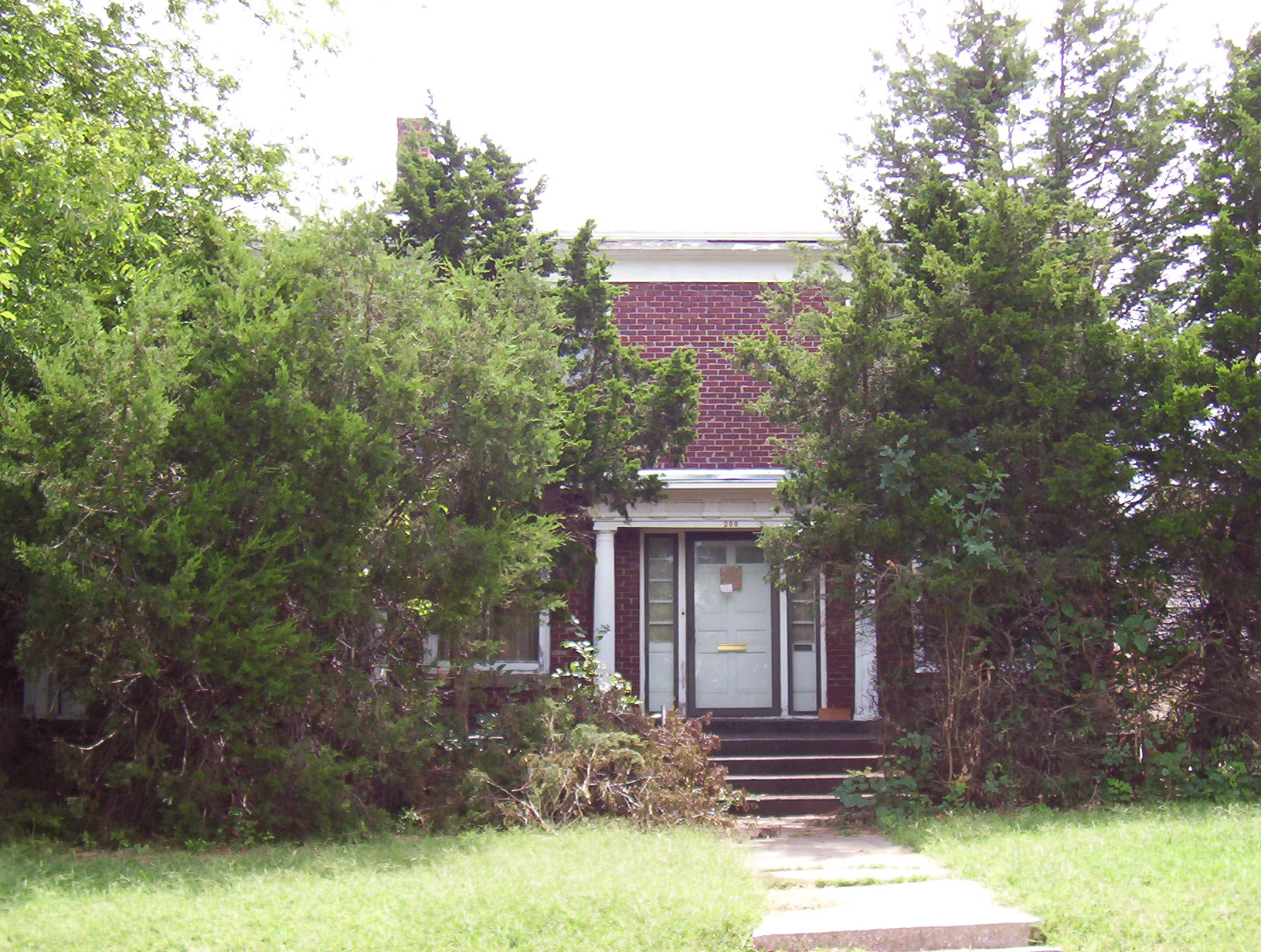
The rising demand for housing after World War I was the result of a booming economy responding to a balanced combination of manufacturing, wholesaling, and retailing. This home is a good example of how that economic blend attracted the very leaders who filled the northern blocks of Heritage Hills.
In 1921 Nichols sold this two-story Colonial Revival to Milton D. Scott, who had been attracted to Oklahoma City by the booming retail trade. At the time he and his wife, Lula, bought the house on 18th, he was president of the Scott Dry Goods Company and president of the Security Building and Loan Association. He later became a partner in the Scott-Halliburton Department Store.
In 1927 the house was purchased by Earl Baker, an industrialist who had made his fortune building and operating water plants, ice plants, and electric utilities. He came to the city in 1922, filling the ranks of people who wanted Nichols's affordable, upscale housing.
Other businessmen who lived in this home included Fred Patterson, who made a fortune wholesaling P&H сіgars, Burrel Lack, an oilman, and Dr. J. Walker Morledge, chief of staff at Mercy Hospital. All of these businessmen were attracted to the diversity of Oklahoma City's economy after World War I.
Home Info
Street:
Northwest 18th Street
Block:
200 Block of NW 18th Street
Year Built:
1921
Owners:
Historic Photo:
Audio Tour:
Looking for some excitement?
Let's roam the neighborhood, explore, and connect with others.


.svg)
© 2020 Heritage Hills Walking Tour. Website Design by Center Point Designs, LLC