
Gallery
History
Whereas Overholser came to Oklahoma City with capital ready to invest in the future, the man who built this grand Neo-classical mansion came from the hills of Missouri to trade for mules and horses. Within a decade he became the richest man in the territory.
William T. Hales came to Oklahoma City in 1890 to join his brother George. By the time the economic boom began in 1897, their mule and horse barns on West Main Street were the largest in town. Meanwhile, Hales invested in real estate, farms, and buildings, organized the Local Building and Loan Association, and subdivided new additions for housing. During World War I he increased his fortune by selling thousands of mules and horses to the Allies.
A flamboyant and outgoing personality, Hales decided to build a grand home for himself, his wife Oneta, and their five children. He bought two lots on Hudson from friend Oscar G. Lee, and hired the prestigious architectural firm of Hawk and Parr, who, in January of 1916 finished plans for the “largest home in the state.”
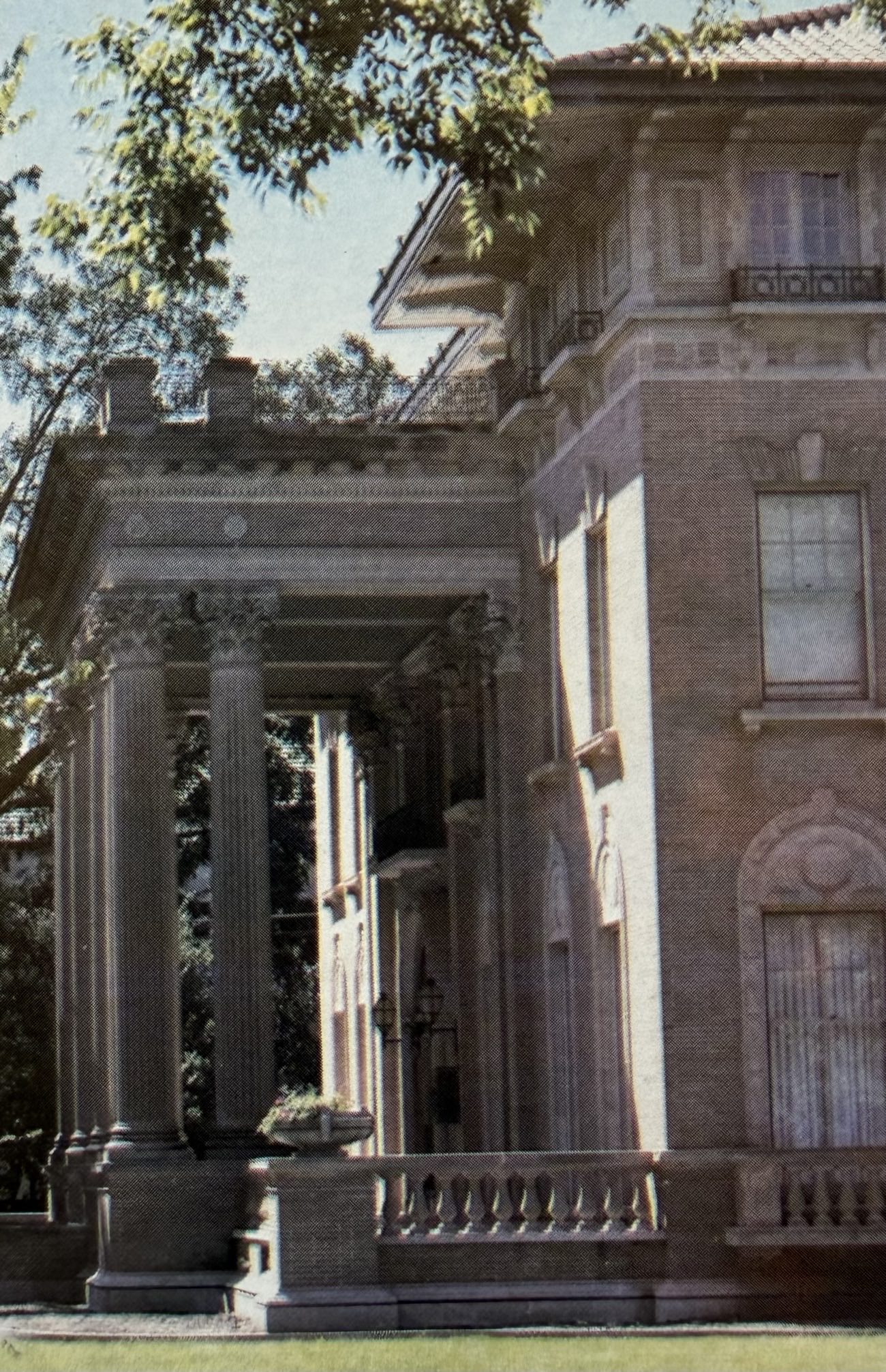
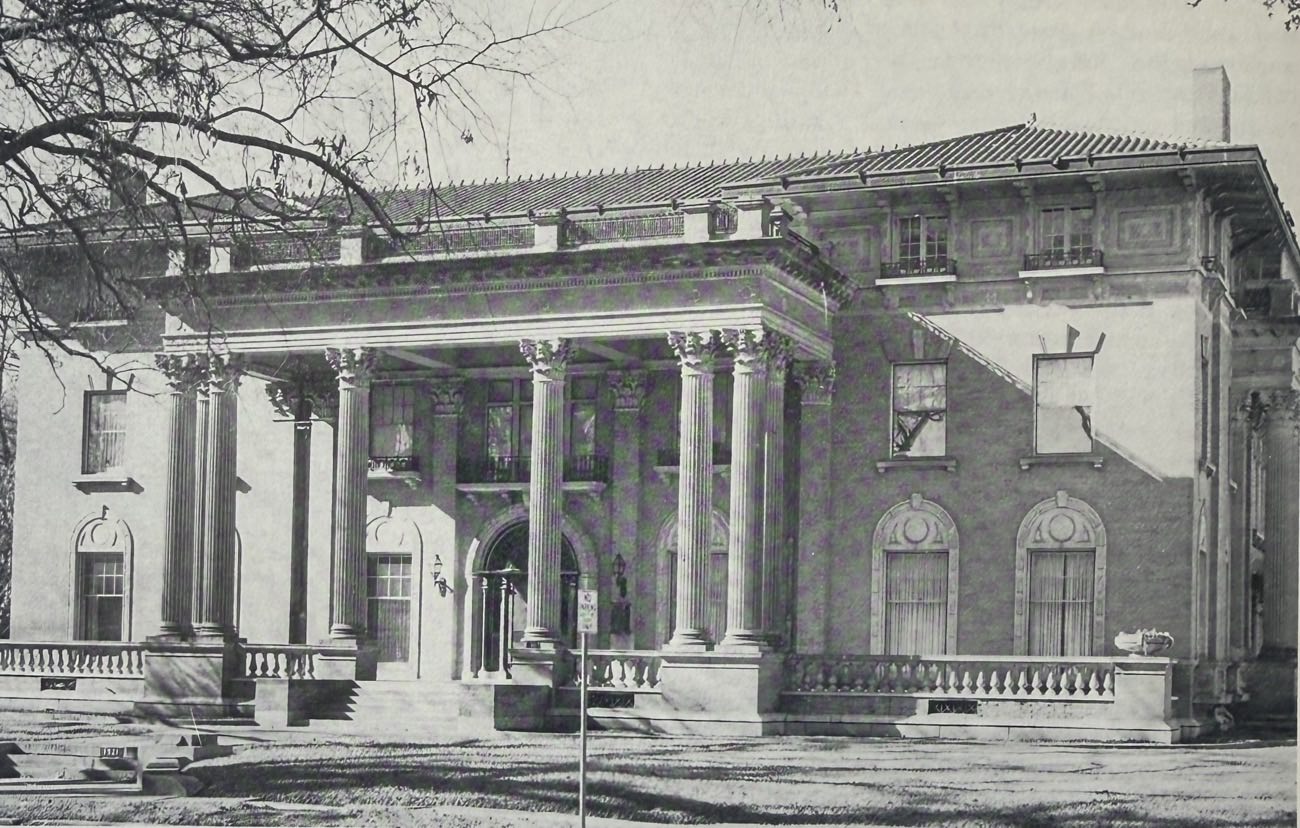
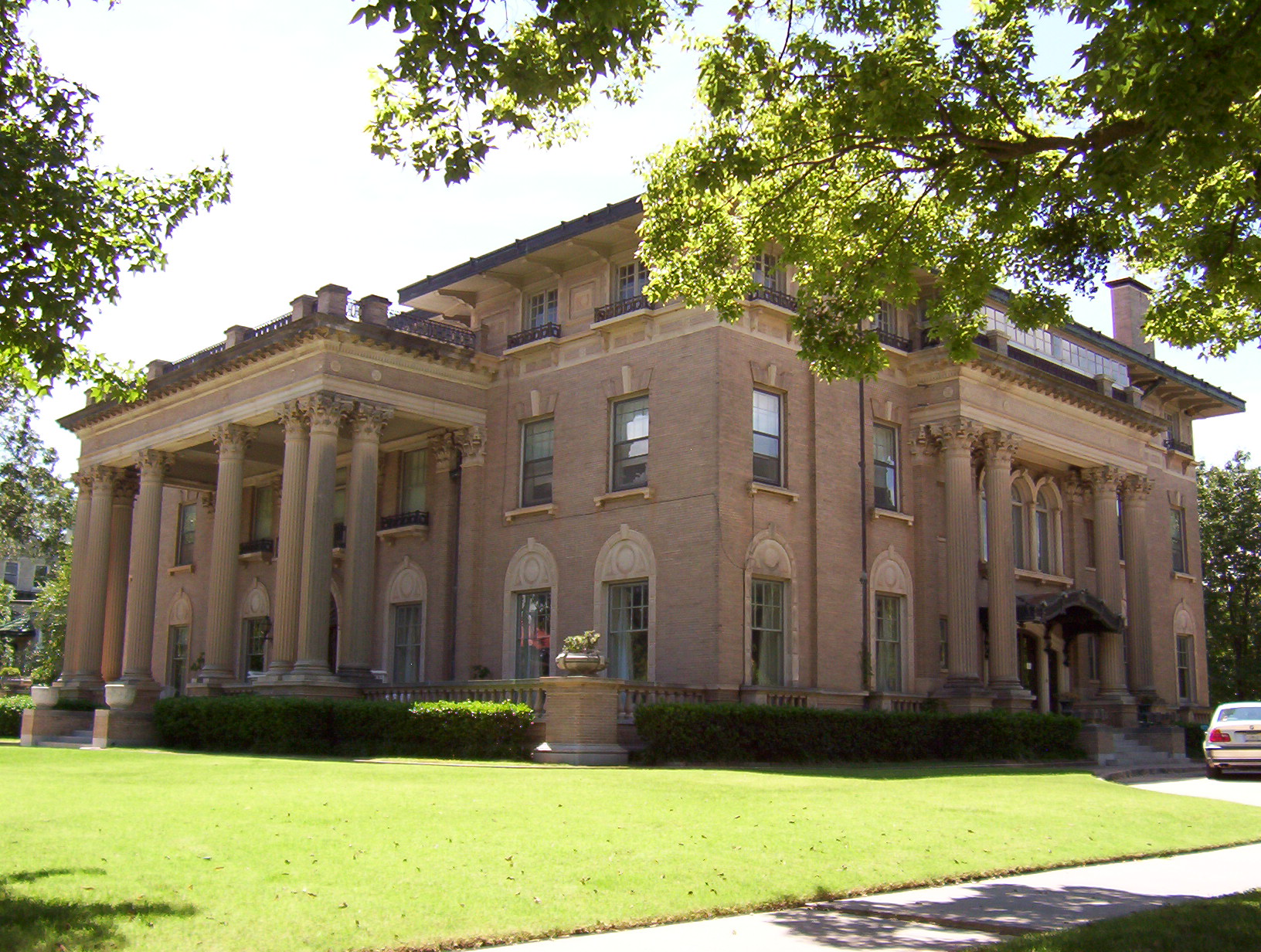
It is an ornate expression of Neo-classical architecture. The primary building material is limestone, with Greek columns and capitals, large porticos, balconets, decorative stonework, and a tiled roof. Hawk and Parr, who had recently designed the monumental Scottish Rite Masonic Temple in Guthrie, used all of their creative powers in presenting Hales with what one writer called the“ showcase of Oklahoma City.”
Hales lived in the mansion until his death in 1939. His brother, George, moved in temporarily, then the Phillips Oil Company purchased and donated it to the Catholic Church, which used it as the chancery offices of the Oklahoma City and Tulsa archdiocese and the residence of the Bishop of Oklahoma. The first cleric to live in the home was Bishop Francis Kelley , who remained until his death in1948.
In 1984 the Catholic Church sold the spacious home to Mr. and Mrs. J. Ross Brown. Brown, an oilman and longtime resident of Heritage Hills, and his wife, Judith, a theatrical agent and labor negotiator from New York, assumed the task of preserving the landmark. In 1986 it was used as the Decorator’s Show House, offering thousands of people the chance to see one of the city’s most elegant homes.
Home Info
Street:
Northwest 15th Street
Block:
400 Block of NW 15th Street
Year Built:
1916
Owners:
Historic Photo:
Audio Tour:
Looking for some excitement?
Let's roam the neighborhood, explore, and connect with others.


© 2020 Heritage Hills Walking Tour. Website Design by Center Point Designs, LLC